WELCOME TO FAIRMONT INDUSTRIES
Language:


When designing a playground—whether for schools, parks, residential developments, or recreational spaces—safety should never be an afterthought. One of the most critical components in any play area is the ground surface, as it directly impacts injury prevention, durability, and user experience. This is where an EPDM playground surface stands out as a leading solution.
In this comprehensive guide, we explore everything you need to know about EPDM playground surfacing—from safety benefits and material composition to installation methods, maintenance, and why it is widely considered one of the best choices for modern playground flooring.
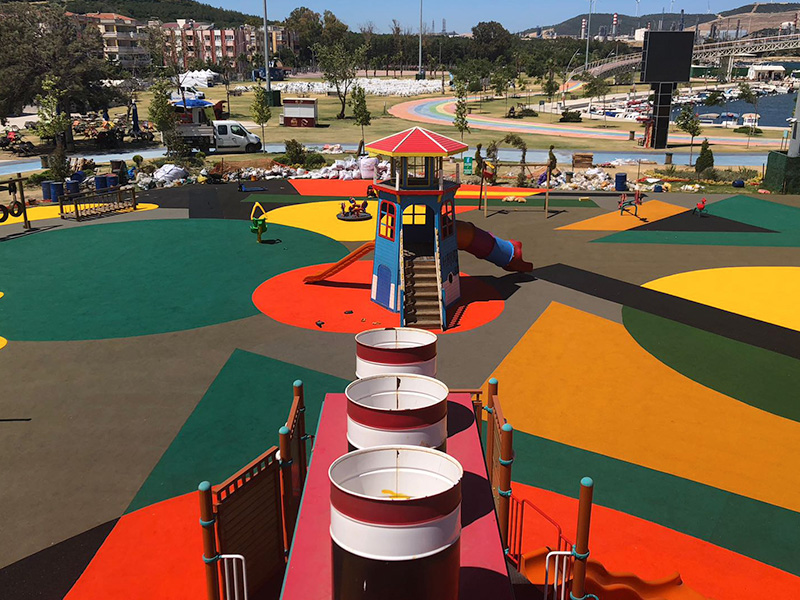
An EPDM playground surface is a type of rubber safety flooring made from Ethylene Propylene Diene Monomer (EPDM), a high-performance synthetic rubber known for its durability, flexibility, and resistance to environmental factors.
Typically installed as a wet pour rubber surface, EPDM granules are combined with a polyurethane (PU) binder and applied on-site to create a seamless, impact-absorbing layer. This makes it ideal for use beneath playground equipment such as swings, slides, climbing frames, and monkey bars.
Unlike loose-fill materials like sand or wood chips, EPDM rubber surfacing provides a continuous, stable, and low-maintenance surface, reducing the risks associated with displacement and uneven ground.
Play is essential for children’s physical, cognitive, and social development. However, playgrounds also present risks—particularly from falls. Studies have shown that falls are the leading cause of playground-related injuries, including fractures, sprains, and head injuries.
Without proper impact-absorbing playground surfaces, hard ground materials like concrete or asphalt can significantly increase the severity of injuries.
This is why safety surfacing systems are designed to:
An EPDM playground surface excels in all these aspects, making it a preferred choice for modern playground design.
One of the primary advantages of EPDM rubber surfacing is its excellent shock-absorbing capability. The system is typically installed in multiple layers, including a base layer (often SBR rubber) and a top EPDM layer, ensuring compliance with critical fall height (CFH) standards.
This significantly reduces the risk of serious injuries from falls.
EPDM rubber is engineered to withstand:
Unlike traditional materials, EPDM does not crack, rot, or degrade easily, making it a long-lasting playground flooring solution.
Outdoor playgrounds are constantly exposed to sunlight and rain. EPDM granules are specially formulated to be UV-stable, meaning they retain their colour and integrity over time without fading or becoming brittle.
This ensures that your playground remains visually appealing and functional for years.
Safety goes beyond impact protection. EPDM playground surfaces are:
This makes them suitable for children of all ages, including toddlers.
EPDM rubber surfaces provide excellent anti-slip properties, even when wet. This reduces the likelihood of slips and falls, especially in humid climates like Malaysia.
One of the standout features of EPDM playground flooring is its design flexibility. Available in a wide range of colours, EPDM allows for:
This enhances both the aesthetic appeal and engagement value of the playground.
Compared to loose-fill materials, EPDM surfaces require minimal upkeep. There is no need for:
Routine cleaning and occasional inspection are usually sufficient to maintain performance.
This is the most common system, consisting of two layers:
It is poured and trowelled on-site, creating a seamless, joint-free surface.
Pre-manufactured rubber tiles made from EPDM are another option. While easier to install, they may not offer the same seamless finish or design flexibility as wet pour systems.
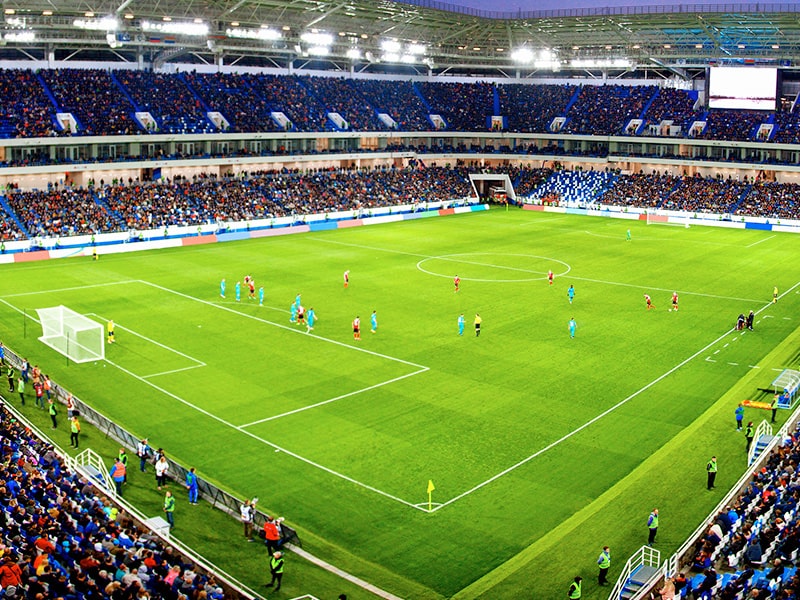
EPDM granules can also be used as infill for artificial grass systems, providing cushioning and improving performance while maintaining a natural grass appearance.
High-quality EPDM playground surfaces rely on premium granules. Manufacturers typically offer different grades tailored to specific applications.
This grade is designed specifically for playground safety surfacing, offering:
It is ideal for wet pour playground systems where safety and aesthetics are equally important.
While primarily used for athletic tracks, this grade features:
It may also be used in multi-purpose recreational areas.
Used mainly for artificial turf systems, this type of EPDM granule:
Unlike black rubber infill, coloured EPDM reflects heat, making it more suitable for hot climates.
Proper installation is crucial to ensure the performance and longevity of an EPDM playground surface.
A stable sub-base (concrete or asphalt) is prepared to provide structural support.
EPDM granules are mixed with a polyurethane binder to create a workable compound.
The mixture is poured onto the surface and trowelled evenly to the desired thickness.
The surface is left to cure, forming a seamless, durable rubber layer.
Final checks are conducted to ensure compliance with safety standards and specifications.
| Feature | EPDM Rubber | Wood Chips | Sand | Mulch |
|---|---|---|---|---|
| Shock Absorption | Excellent | Moderate | Moderate | Moderate |
| Maintenance | Low | High | High | High |
| Durability | High | Low | Low | Low |
| Accessibility | Excellent | Poor | Poor | Poor |
| Aesthetics | High | Low | Low | Low |
From this comparison, it is clear that EPDM provides a balanced combination of safety, durability, and visual appeal.
EPDM playground surfaces are typically designed to meet international safety standards such as:
These standards ensure that the surface provides adequate protection against fall-related injuries.
Sustainability is increasingly important in modern construction. EPDM playground surfacing contributes to environmental goals by:
Some systems also incorporate recycled rubber in the base layer, further enhancing eco-friendliness.
Selecting a reliable supplier is essential to ensure quality and performance. Look for companies that offer:
Experienced manufacturers with global supply capabilities can provide consistent quality and tailored solutions for different project requirements.
An EPDM playground surface is highly versatile and suitable for:
Its adaptability makes it an ideal solution for both small-scale and large commercial projects.
To maximise the lifespan of your EPDM playground surface:
With proper care, EPDM surfaces can last for many years without significant degradation.
An EPDM playground surface offers an unmatched combination of safety, durability, aesthetics, and low maintenance, making it one of the most reliable playground flooring solutions available today.
From its superior shock absorption and weather resistance to its customisable design and eco-friendly properties, EPDM rubber surfacing addresses the key challenges of playground safety and performance.
Whether you are designing a new playground or upgrading an existing one, investing in a high-quality EPDM system ensures a safer, more engaging, and long-lasting play environment for users of all ages.

EPDM playground surface is a type of rubber safety flooring made from Ethylene Propylene Diene Monomer (EPDM), a durable synthetic rubber. It is commonly installed as a wet pour rubber surface, providing a seamless, impact-absorbing layer that enhances playground safety and durability.
EPDM playground surfacing is designed to reduce injuries from falls by absorbing impact. It meets critical fall height (CFH) requirements, helping to minimise the risk of fractures, sprains, and head injuries in playground environments.
Yes, EPDM rubber surfacing is non-toxic, child-safe, and environmentally friendly. It does not contain harmful chemicals and is suitable for children of all ages, including toddlers in nurseries and kindergartens.
A professionally installed EPDM playground surface can last 10 to 15 years or more, depending on usage and maintenance. Its durability makes it a cost-effective long-term playground flooring solution.
Key benefits include:
Compared to sand, wood chips, or mulch, an EPDM playground surface offers:
Wet pour EPDM rubber surfacing is a system where EPDM granules are mixed with a polyurethane binder and applied on-site. It forms a seamless, cushioned surface that is widely used in playgrounds for safety and durability.
Yes, EPDM surfaces are highly customisable. They are available in a wide range of colours and can include:
This makes them ideal for creative and engaging playground designs.
Absolutely. EPDM rubber is UV-resistant, weatherproof, and moisture-resistant, making it ideal for outdoor playgrounds in all climates, including Malaysia’s hot and humid conditions.
EPDM surfaces can warm up under direct sunlight, but they are generally cooler than traditional black rubber or asphalt. Lighter colour options can help reduce heat absorption further.
Maintenance is minimal. You only need to:
Unlike loose-fill materials, no topping up or levelling is required.
Yes, EPDM rubber surfacing is considered eco-friendly. Many systems incorporate recycled materials, and its long lifespan reduces the need for frequent replacement, minimising environmental impact.
The thickness depends on the critical fall height (CFH) of the playground equipment. Higher equipment requires thicker surfacing to ensure adequate impact protection.
Yes, EPDM granules are often used as infill for artificial turf systems, providing cushioning, improved safety, and reduced surface temperature.
Yes, EPDM playground surfaces are widely used in:
They offer a safe, durable, and visually appealing solution for high-traffic play areas.
Installation involves:
Professional installation ensures optimal performance and safety compliance.
Yes, high-quality EPDM playground surfacing is designed to comply with international standards such as EN 1177 and ASTM F1292, ensuring proper shock absorption and safety performance.
Yes, while the initial cost may be higher than traditional materials, the long lifespan, low maintenance, and superior safety make EPDM playground surfaces a cost-effective investment over time.
EPDM is highly resistant to cracking and fading. Its UV-stable properties ensure long-lasting colour and structural integrity, even in harsh outdoor environments.
In Malaysia’s tropical climate, EPDM playground surfacing offers:
This makes it one of the best choices for playground flooring in the region.
In conclusion EPDM granules or rubber is one of the right rubber playground safety surfacing.